Elementary workout at home

Staying fit and active these days has become an integral part of our daily lives. In order to carry out daily tasks it is important for one to perform some kind of physical exercise that contributes in one’s health and helps them to stay active and energetic throughout the day.


It has been around 4 months since I’ve indulged myself into regular workout and yoga at home during this pandemic. My daily workout includes a mix of legs, abs and arms which I usually do in the evening. These are usually simple and mainstream exercises like crunches, squats and jumping jacks rather than difficult and complex ones. My arm routine includes weights which keeps my workout challenging and interesting.


My morning starts with 20 to 25 minutes of yoga starting with surya namaskar followed by pranayam, anulom vilom and a few more which gives a boost for the day. It clears my mind and helps me concentrate better in my work and online classes.
On my days off, twice a week, I enjoy doing cardio like cycling or skipping as I have to burn those “extra” calories that I eat throughout the week.

I also went through a minor injury while trying to lift more weights than what I used to which forced me to take a break of about 3 days. I decided not to exert myself more than what I can handle and work towards gradual development. One should always start with basic and simple exercises according to their suitability and not expect instant results.


It has been around 4 months and it has become an essential part of my daily routine. I feel it is important for me and skipping it doesn’t feel like an option. Now I feel more energetic and productive than before. I have also observed myself as a more calm and composed person.
I feel a little weight up or down doesn’t really matter unless it hampers your health. The main focus should be on increasing stamina and staying active and healthy.
Exercise is a blessing and not a chore!

By – Shivika Bhatt
Peace of Mind

Sometimes , reaching out to people or taking support of someone is the beginning of a journey. Whatever your problem is , talking or sharing about it with someone can really make a difference. As we all know that this topic is not new , people still assume mental health issues as insignificant because they are still stuck on the idea that mental health issues are a result of overreactions or it it just in one’s head.
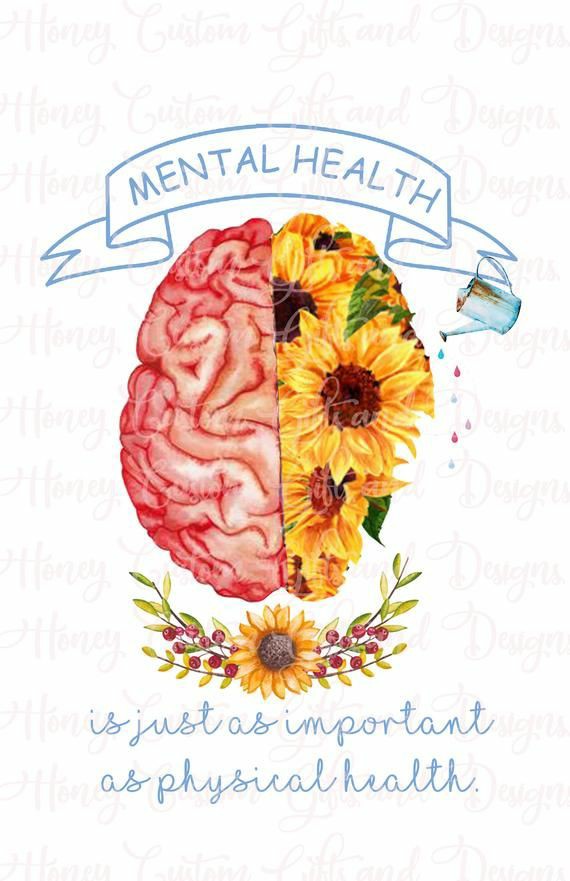
Mental health is all about emotional and psychological well being of an individual.

Usually, all of us react after watching someone suffering physically, in times of any injury or pain, however, we fail to notice the emotional damage that mental health issues can cause. Since we cannot see it, we let it go unacknowledged or make fun of it. Mental health issues can lead to self harm , like suicide which is not a concious choice that people make. It’s just overpowering emotions that make people come to end their life. It is significant to look after our mental health so that we could have control over our emotions and as in life in general.

Lately, mental health has started being acknowledged. There are ways to look up to your mental health :
1) Look for what you are feeling and accept those feelings.
2) Try to communicate with your closed ones regarding your feelings.
3) Write down your thoughts im a diary and also include things which you are grateful for.
4)Seek professional help in case of serious issues.
5)Also , some organisations are also working towards ways to tackle mental health . They hold webinars , activities , discussion etc. to spread awareness and talk about it in schools , colleges and even in workplaces.
6) Take a break because a change of scene or change of pace can be enough to de – stress you.
10 October is celebrated as World Mental Health Day and May month is celebrated as Mental Health Awareness Month. As we take care of our physical health , in the same way we should also take care of our mental health . The main theme of world’s mental health day is ”mental health for all“.

By – Lavanya Agarwal

Scheduled eating a reason for happy life

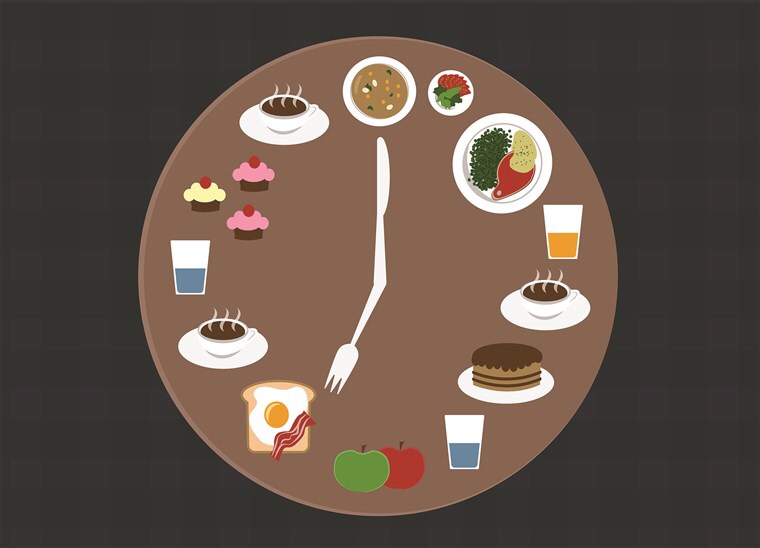
Sure we know that what we eat is necessary, but did you know that when you eat may also play an important role in better digestive health? Scheduling when you eat may seem odd, but the health benefits you might get will convince you to give it a shot.

According to Everyday Health, “consuming your meals and snacks on a regular schedule can help keep your digestive system in top shape.” When you don’t eat at consistent times each day, it can cause your stomach to overwork resulting in bloating and indigestion, but eating on a schedule “will allow proper digestion of your food, which will result in you having a good comfortable feeling in your stomach” (Healthy Eating).

The key is to eat every 3 to 4 hours in order to allow your stomach to properly digest its contents. By setting specific times for breakfast, lunch, dinner and snacks and sitting down to eat them at the same time each day, your body knows exactly when it’s time to eat, which will help prevent overeating and improve digestive health.

So, by keeping in mind the old sayings of our adults we can identify, what are the best times to eat?

Breakfast

The most important meal of the day, breakfast should be eaten within one hour of waking, ideally between 7:00 and 8:00 a.m.

After 6 to 8 hours of sleep, your stomach is empty and your body needs calories for energy. Make sure those calories are high in protein and low in sugar. Eating a doughnut will send your blood sugar skyrocketing but leave you feeling hungry again long before lunch time. Consider oatmeal with fresh fruit, omelette with spinach, or a piece of whole wheat toast with peanut butter to get your digestive track off to a good start.

Lunch

Try to eat lunch about 4 to 5 hours after breakfast, sometime around 11:00 or 12:00 p.m. Do not skip lunch or else you run the risk of turning into a zombie by early afternoon, the busiest time of day. A good lunch consists of lean protein (lean meats like turkey, chicken or fish), complex carbs (brown rice, whole wheat pasta or bread), fiber and good fats.

Dinner

The best time to eat your final meal of the day is no less than 3 hours before you go to bed, ideally around 6:00 p.m. According to Time, “Eating too close to bedtime increases your blood sugar and insulin, which causes you to have a hard time falling asleep. Therefore, your last meal should be the lightest of the day and should be eaten at least three hours before you go to sleep.”

Meal ideas for dinner should resemble lunch: a protein, a complex carb and fruits and vegetables.

Snacks

About three hours after breakfast and again about three hours after lunch, have a light, low-calorie snack. Think apple slices or a banana, a handful of unsalted nuts, a smoothie, or low-fat yogurt. The goal is not to fully satisfy your hunger but to tide you over until the next meal.

Eating meals and snacks at set times every day may help your digestion. It’s important (1) to eat breakfast within an hour of waking up; (2) to eat your last meal at least three hours before bedtime; and (3) to give your stomach ample time (at least 3 to 4 hours) to digest food.

-Prateek Jain

Design a site like this with WordPress.com
Get started